
Confronted with a situation where their offspring address them by their first name instead of the traditional “Mom” or “Dad,” many parents feel confused, even offended. This practice, although common in some cultures, may seem strange and destabilizing to some, raising a multitude of questions. Is it a sign of disrespect or simply an expression of independence from the child? How should one react to this situation? What are the appropriate behaviors to establish healthy and respectful communication between parents and children? These are questions that deserve clarification.
The origins of children using first names: an ancestral tradition
When your child calls my son, it can seem surprising or even disconcerting. It is important to understand the psychological reasons behind this practice. It should be noted that a child using a parent’s first name can be a way for them to assert their independence and individuality.
Indeed, as children grow, they begin to develop their own identity and seek to distinguish themselves from the adults around them. Using their parents’ first names can therefore be perceived as a means of feeling more mature and autonomous.
On the other hand, the child might also use the parents’ first names when feeling frustrated or angry. This can be their way of expressing dissatisfaction with certain situations or parental demands they deem unfair.
It is essential to consider the family environment in which the child is growing up. If they regularly hear their parents calling each other by their first names or if this is an integral part of the family culture, then there is no need for excessive concern.
In the face of this delicate situation, different reactions are possible among parents. Some may feel a sense of offense or consider it a complete lack of respect from the child. Others will opt for a more relaxed approach and will not see it as a major issue.
The way we react as parents is crucial in guiding our children towards more appropriate behaviors. It is important to keep in mind that children are in a learning phase and are constantly trying to understand the social rules that govern their environment.
To manage this delicate situation, it is recommended to adopt an empathetic and caring approach. Take the time to talk with your child to understand why they are using your first name instead of the traditional ‘Mom’ or ‘Dad’. Listen to their explanations without judgment or reprimand.
Establish clear boundaries by gently and firmly explaining that you prefer to be called by your parental titles. Don’t hesitate to remind them of family values and the importance of mutual respect.
Cultivate open communication with your child so they can freely express their emotions or frustrations. Encourage them to find positive alternatives to express their independence or dissent.
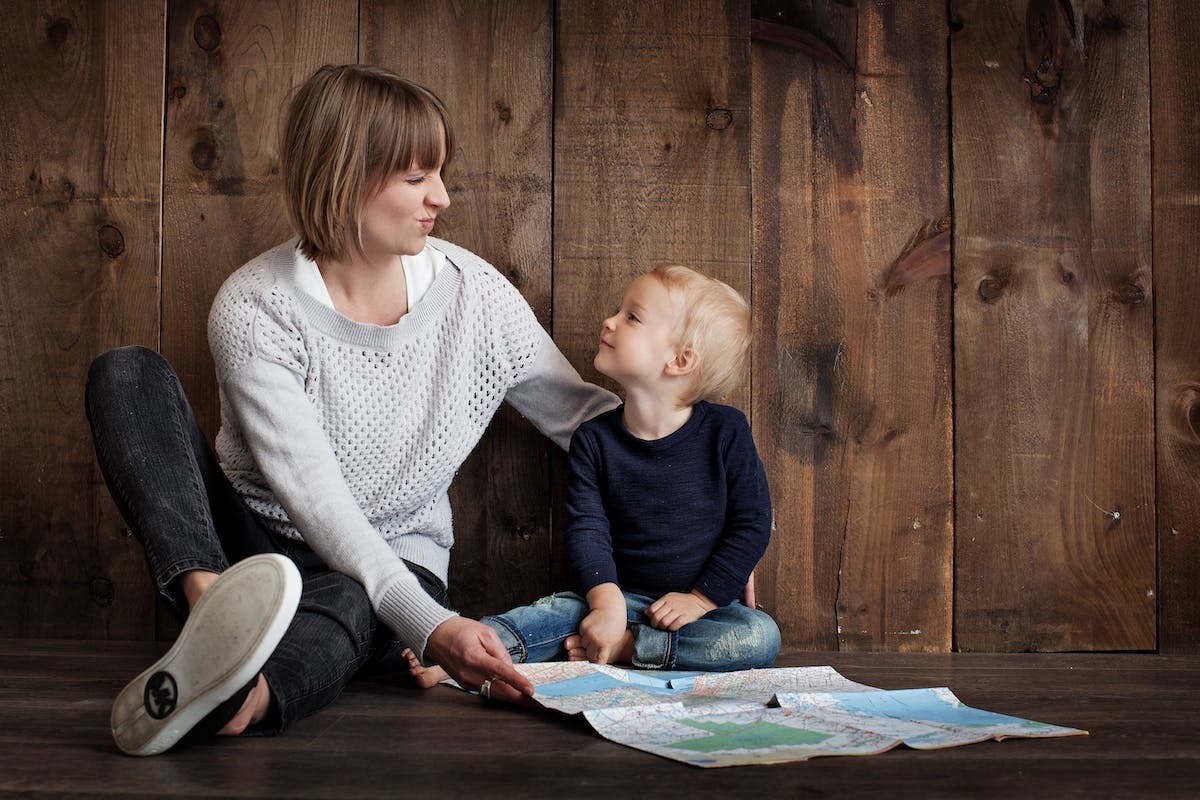
The psychological reasons behind children using first names: a quest for identity
For some parents, this situation may be perceived as a challenge to their parental role. They may feel devalued and hurt by their child’s use of their first name. In such cases, it is important to take a step back and remember that the child is not intentionally trying to hurt their parents, but rather expressing their own identity as a distinct individual.
Other parents may adopt a more lenient approach, viewing it as a mere passing phase without real significance. It is important to remember the inappropriate forms of address in children.
Another possible reaction is that of the parent who feels the need to punish or reprimand their child harshly for using their first name. This authoritarian response can create distance between the parent and child and harm the parent-child relationship.
The best way to approach this delicate situation is to adopt a balanced and understanding attitude towards the child. Calmly explain the family rules regarding respectful forms of address while seeking to understand their motivations behind this behavior.
It may also be helpful to observe if significant changes have occurred in the family life or if stressful events may have influenced the child’s behavior. Sometimes, using the parents’ first names can be a way for them to attract more attention or express an underlying emotional discomfort.
It is essential to maintain open and caring communication with the child. Encourage them to express their feelings and emotions appropriately while showing them that you are there to support them.
It may be beneficial to introduce family activities that strengthen parent-child bonds. Spending time together, sharing special moments, and creating positive memories will contribute to strengthening the family relationship as a whole.
Rather than reacting impulsively or harshly to this delicate situation, it is better to adopt a thoughtful and understanding approach. By understanding the motivations behind this behavior and maintaining respectful communication with the child, parents can guide their child towards more appropriate habits while preserving a healthy and harmonious family bond.
Parents’ reactions to children using first names: between acceptance and frustration
In the face of this delicate situation, here are some practical tips to help parents best manage their reaction:
Understand the child’s motivations: Take the time to listen and understand why your child uses your first name to call you. Is it simply an imitation of others who use your first names? Is it a way for them to feel more adult or independent? By understanding their motivations, you will be better able to respond to their needs.
Stay calm and caring: When your child uses your first name, it is important to keep your composure. Avoid impulsive or harsh reactions that could create distance between the two of you. Instead, remain calm and show them that you are there to listen and support them.
Set boundaries: there must be mutual respect when everyone uses appropriate forms of address.
Positive communication: Encourage your child to express their feelings and emotions without judgment or excessive punishment. Create an environment where they feel safe to share what they feel and ask them open-ended questions to encourage conversation.
Lead by example: Show your child how to use appropriate forms of address towards others, including your own parents and friends.
Practical tips for managing children’s use of first names: finding the right balance
Establishing clear boundaries is essential in this kind of situation. You need to explain to your child that using your first name to call you is not appropriate and does not reflect the respect due to a parent. While being firm, ensure that you remain open to dialogue so they understand the reasons behind these rules.
Communication also plays a crucial role in resolving this issue. Take the time to explain to your child why calling you by your first name can be perceived as disrespectful and how it can affect the relationship between the two of you.
Thinking about how to properly address their parents can be a subtle way for them to express frustrations or unmet needs. In such cases, initiate an in-depth discussion to better understand what is happening in their daily life.
Communication and setting boundaries: keys to managing children’s use of first names
In this delicate context, adopting an empathetic approach can have numerous benefits for you and your child. It helps establish a climate of trust and mutual understanding. By showing your child that you are willing to listen to their concerns, they will feel safe to express their emotions more openly.
An empathetic approach also fosters the development of social skills in the child. By teaching them the importance of mutual respect and respectful communication, you equip them with the necessary tools to interact harmoniously with other family members as well as with their external environment.
This exercise in empathy can help your child better understand your own needs as a parent. They may realize that using your first name is hurtful to you and become aware of the emotional consequences that arise from it. This awareness will foster a more open dialogue between the two of you.
This empathetic approach can contribute to strengthening family bonds. By addressing this issue with calm and compassion rather than anger or frustration, you avoid any conflict escalation that could harm the parent-child relationship. On the contrary, it creates an atmosphere conducive to mutual support and strengthens the emotional ties between you.
You must emphasize that every family situation is unique and requires a specific adaptation in the approach taken. If, despite all your efforts, the use of the first name persists with your child, it may be wise to consult a child development specialist or a family therapist for additional advice and strategies tailored to your particular situation.
Reacting with empathy and kindness when your child uses your first name to call you has many advantages. It strengthens mutual trust, fosters the development of essential social skills, and contributes to strengthening family bonds. By adopting a respectful approach in this delicate context, you can guide your child towards a better understanding of family relationships and help them develop their own empathy skills.
An empathetic and caring approach: the benefits of positive parenting in this context
When your child uses your first name to call you, it is important to keep in mind that this may be a sign of a deeper need on their part. Sometimes, they may feel ignored or neglected and use your first name as a way to attract your attention. In these situations, it is crucial to be patient and available.
A first step is to take the time to explore the reasons that lead your child to adopt this behavior. Try to have open discussions with them so they can express their feelings and needs. Listen attentively to what they have to say without interrupting or judging their emotions.
Once you have identified the underlying reason for their behavior, you can begin to implement appropriate strategies to address it. If your child is simply seeking more attention, try to dedicate time each day solely for them, where you are fully present in your interactions together.
It may also be helpful to establish clear rules regarding appropriate forms of address within the family. By suggesting a respectful alternative such as ‘dad’ or ‘mom’, you show your child that there is a more suitable and affectionate way to refer to their parents.
At the same time, continue to positively reinforce when your child uses the appropriate terms to address you. Praise them when they show respect towards other family members and encourage them in their efforts to adopt respectful communication.
Don’t forget to take care of yourself as a parent. Taking time for your physical and emotional well-being can help you remain calm and patient in the face of the challenges that your child’s behavior may present. Don’t hesitate to seek support from other family members or close friends if you need a break or a little extra help.
When your child uses your first name to call you, it is important to manage the situation with understanding and patience. By exploring the reasons behind this behavior, establishing clear rules, and positively reinforcing appropriate forms of address, you can guide your child towards a better understanding of family dynamics while cultivating a climate of mutual respect within the home.