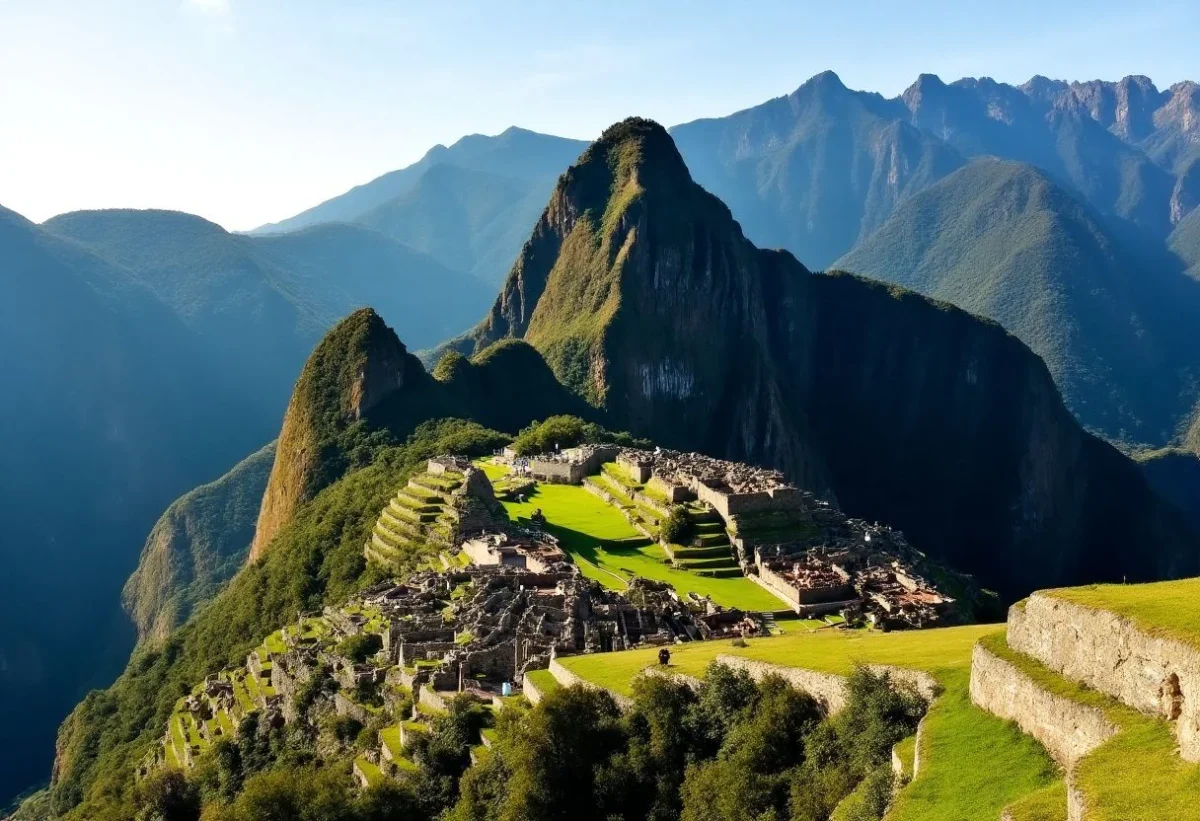
Peru, a land of millennia-old history and spectacular landscapes, attracts millions of travelers each year in search of adventure and discovery. Yet, one question lingers: is this country dangerous? Due to media reports on isolated incidents, some potential visitors hesitate to take the plunge. However, many of these fears may be exaggerated or misunderstood.
Understanding the geopolitical context of Peru
Before diving into the details of daily security, it is essential to grasp the geopolitical context of this South American country. These elements provide a basis for assessing the various potential risks.
- Political regime: Peru is a democratic republic with a relatively stable political system, despite occasional upheavals. Political demonstrations can occur, but they are often peaceful and primarily concentrated in major cities like Lima.
- At-risk areas: regions like the VRAEM (Valley of the Apurímac, Ene, and Mantaro Rivers) are known for their instability. It is in these areas that activities related to drug traffickers are most prevalent.
- International relations: Peru maintains diplomatic relations with many countries, contributing to a certain regional stability.
Tourist safety: myth or reality?
Traveling to Peru may seem daunting to some, but most visitors have memorable experiences without any problems. Various aspects of tourist safety must be taken into consideration.
To start, Lima, the capital, can present some challenges regarding safety, particularly pickpocketing in tourist areas. However, by adopting basic precautions, such as avoiding displaying valuables and being vigilant on public transport, risks can be significantly reduced.
Next, the more adventurous traveler visiting sites like Machu Picchu or the Nasca lines will discover a generally safe atmosphere, especially in well-monitored tourist areas. In these places, local authorities take measures to ensure the safety of visitors.
Finally, engaging in a solidarity trip to Peru offers a unique opportunity to discover local culture while being accompanied by people who know the terrain, adding an extra layer of safety and comfort.
Precautions to take for a safe stay
Traveling to Peru with peace of mind simply requires following a few common-sense rules. Here are practical tips that will help you make the most of your stay.
- Plan your movements: prefer official taxis and always check routes before leaving to avoid unsafe areas.
- Protect your documents: scan your passports and important documents and keep them in a safe place. Bring photocopies when you go out.
- Stay informed: keep up with local news and heed the advice of authorities and locals.
- Be cautious in your interactions: avoid revealing personal information to strangers and be aware of potential scams.
Nature and environmental risks
Beyond human concerns, Peru is also a land of natural wonders, but this comes with its own challenges. Understanding these risks allows for better preparation.
The Andes and the tropical forests of the Amazon offer breathtaking landscapes but also present natural dangers such as landslides or flooding during the rainy season. Travelers should prepare accordingly, especially by equipping themselves properly for hikes and excursions.
Additionally, seismic risks exist, especially along the Pacific coast. Given the presence of several active volcanoes, it is advisable to inquire about safety protocols in case of an earthquake.
By traveling to Peru, keeping in mind the various aspects of safety, travelers can fully enjoy this fascinating country, rich in culture and history. With adequate preparation and vigilance, visitors will discover a country full of surprises, far from the sometimes conveyed image of a dangerous place.