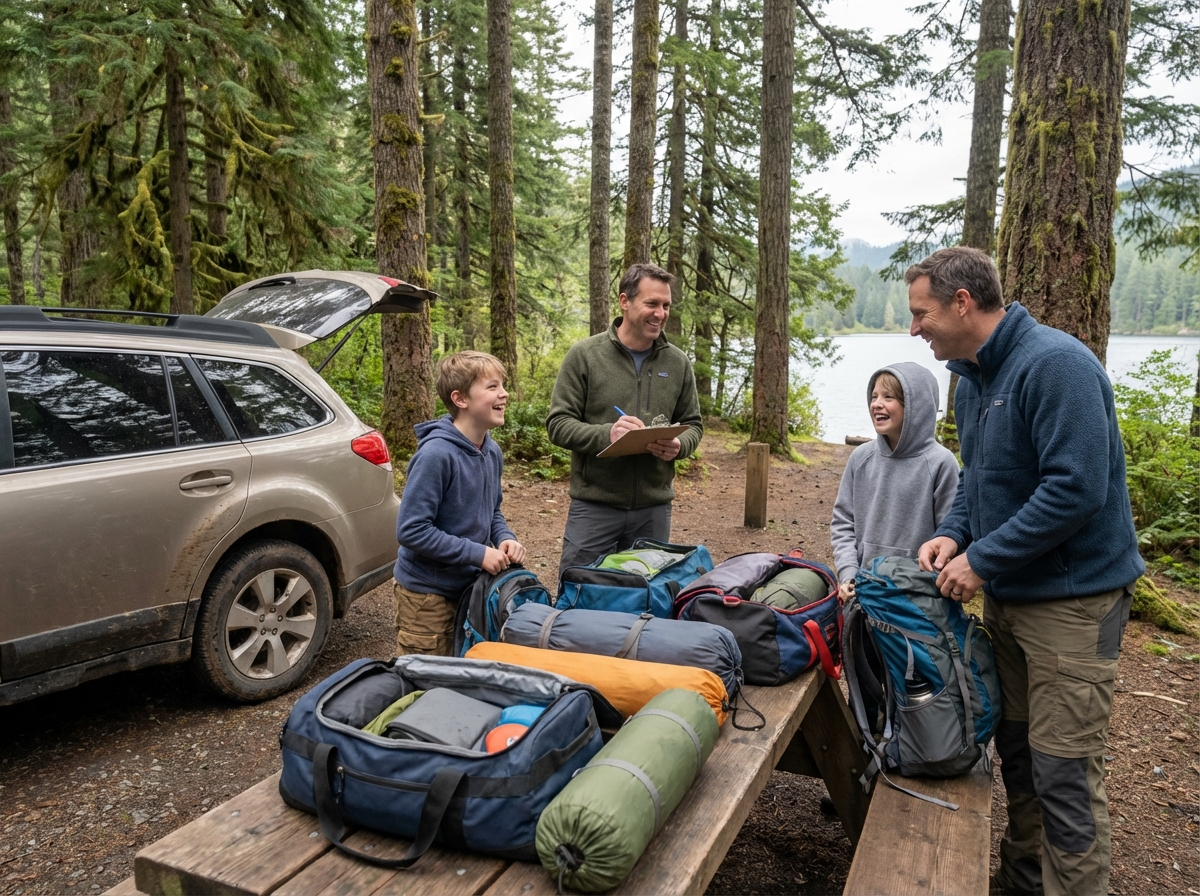
A large part of campers underestimate the impact of poorly chosen equipment on the quality of their stay. Some items praised in stores turn out to be disappointing as soon as the weather turns against you, especially in the mountains. Manufacturers’ recommendations often struggle to align with the realities of the field, and guides abound without always warning of concrete pitfalls.
Generally, the same mistakes keep recurring: poorly suited sleeping bags, fragile tents, impractical stoves… A few precautions taken before departure can change the game and spare many disappointments, especially when heading out for several nights or far from any infrastructure.
Why the choice of equipment weighs heavily on the success of camping vacations
Preparing for a stay in a tent or mobile home is not something to improvise. Taking the time to select your gear is already opening the way to true enjoyment: enjoying freedom without unnecessary hassles. The French Federation of Campers, Caravanners, and RVers emphasizes: each type of accommodation—tent, caravan, RV, or bungalow—has its own needs and freedoms. It’s better to take this into account rather than relying on universal recipes.
Being mindful of your impact on the environment and other campers should also guide your choices. Favoring discreet, quiet, easy-to-transport, and easy-to-store equipment limits inconveniences for everyone. The camping argeles sur mer and other sites labeled “Camping Quality” highlight this practical and respectful know-how. Rely on simple items: a reliable cooler, a rechargeable headlamp, a compact stove… These small details, tested and designed for the long term, make all the difference when facing the unexpected and invite you to savor every moment of your stay without unpleasant surprises.
The place where you set down your bags changes everything, too. Camping at 1200 meters or close to the shore does not require the same organization. Altitude, foot traffic, access to sanitary facilities, or weather conditions can shake up your packing list. The versatility of an item, its robustness, and its adaptability quickly become valuable allies. The perfect list does not exist: everyone refines their choices according to their tastes and the realities of the destination.
Essential gear: ensuring comfort when camping in the mountains
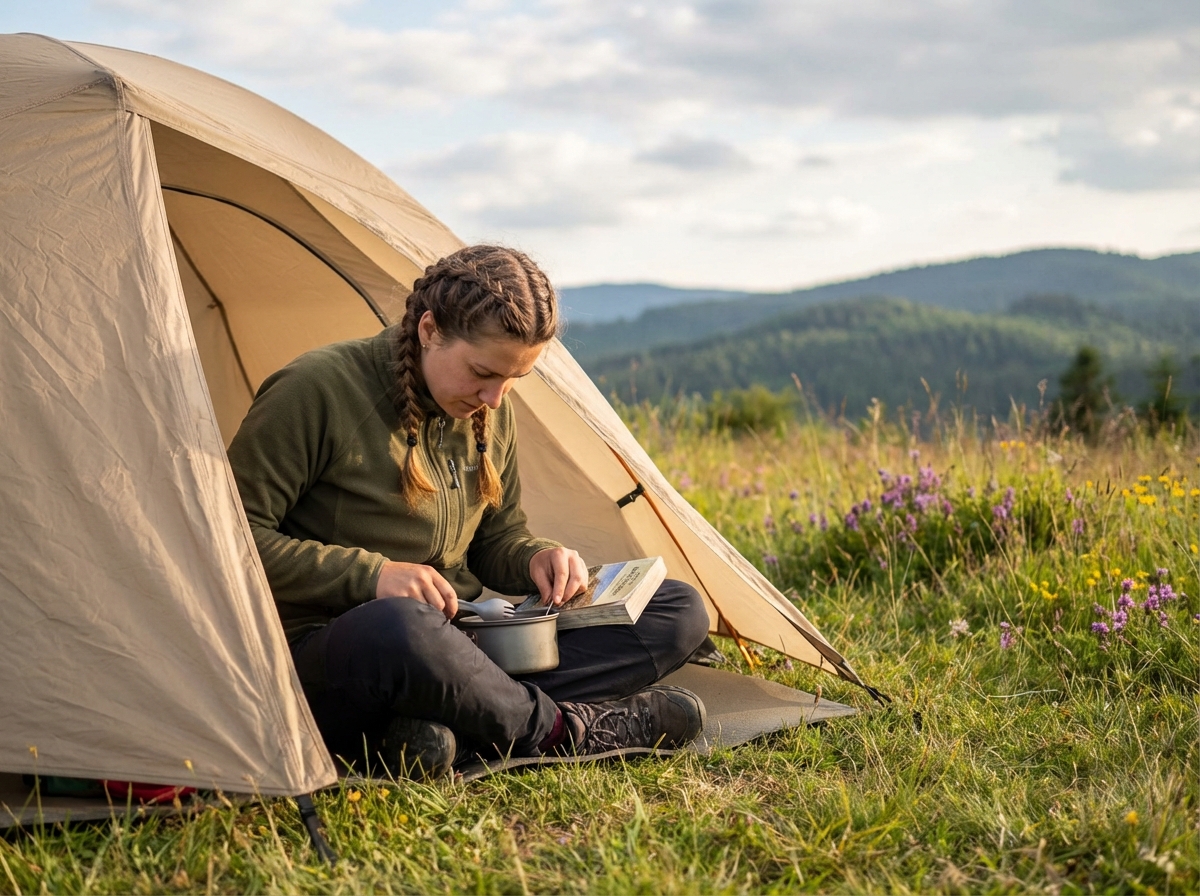
Sleeping in a tent in the heart of the mountains allows for no approximation. The slightest deviation can be costly: humidity, cold, or unstable terrain are lurking. Finding a mountain tent that is wind-resistant and truly waterproof takes precedence over everything else. Under the thick groundsheet, there’s no longer any question of fearing the cold coming from the ground. Here, the winning trio will include a thermal sleeping bag calibrated for the season, an insulating mattress (inflatable or foam), and a lightweight pillow. The difference is noticeable from the first night when the temperature drops.
The layering principle applies to clothing, but not randomly. To clarify, here are the reliable clothes to bring:
- A breathable technical t-shirt
- A warm fleece, easy to layer
- A waterproof jacket, preferably windproof
- Thick socks that cushion and prevent blisters
- Real hiking shoes, stable and with a grippy sole
It’s impossible to venture out without a complete first aid kit, including band-aids, disinfectant, a survival blanket, and some repair tools: it’s better to be prepared for even minor injuries or technical surprises.
Ensuring your safety also requires including a reliable headlamp, a survival kit (compass, map, whistle, water filter). A handful of dried fruits or energy bars slipped into a pocket can help you get through unexpected days. Finally, when the weather turns, a handy gas stove and refills find their place in the bag without hesitation.
At altitude, every element truly counts. Reviewing the essentials helps avoid any shortages. The result: restorative nights, relaxed hikes, and a getaway that keeps its promises despite the weather.
Proven tips and tricks: the list of seasoned campers is constantly evolving
On the ground, experience changes everything. Those who camp year after year refine their checklist according to the location, duration, or type of accommodation. Among the essentials packed in the bag is the microfiber towel: lightweight, dries in no time, fits anywhere. The trash bag is not just for keeping things clean; it can serve as a tarp or protect the bag in case of rain. Clothesline and clips are essential backup solutions for drying things after rain or swimming.
Some items are mentioned outright by regulars to enhance comfort or structure the days. Here are the top ones:
- An external battery for portable devices
- Extension cord or power strip, quickly indispensable in a mobile home or chalet
- Board games or outdoor games for sharing real moments
- Hammock: the number one ally for a nap or an impromptu reading break
In campgrounds, these little tips are spontaneously exchanged between neighbors or over an aperitif. Sharing experiences is as evident as conviviality. Over the years, everyone refines their own selection and multiplies tips, inspired by discussion groups, forums, or encounters on-site. All of this weaves day by day a camping culture that is both supportive and respectful of the environment. Preparing, adapting, passing on: the joy of camping is played out as much in the packing list as in the stories told around the campfire at nightfall.