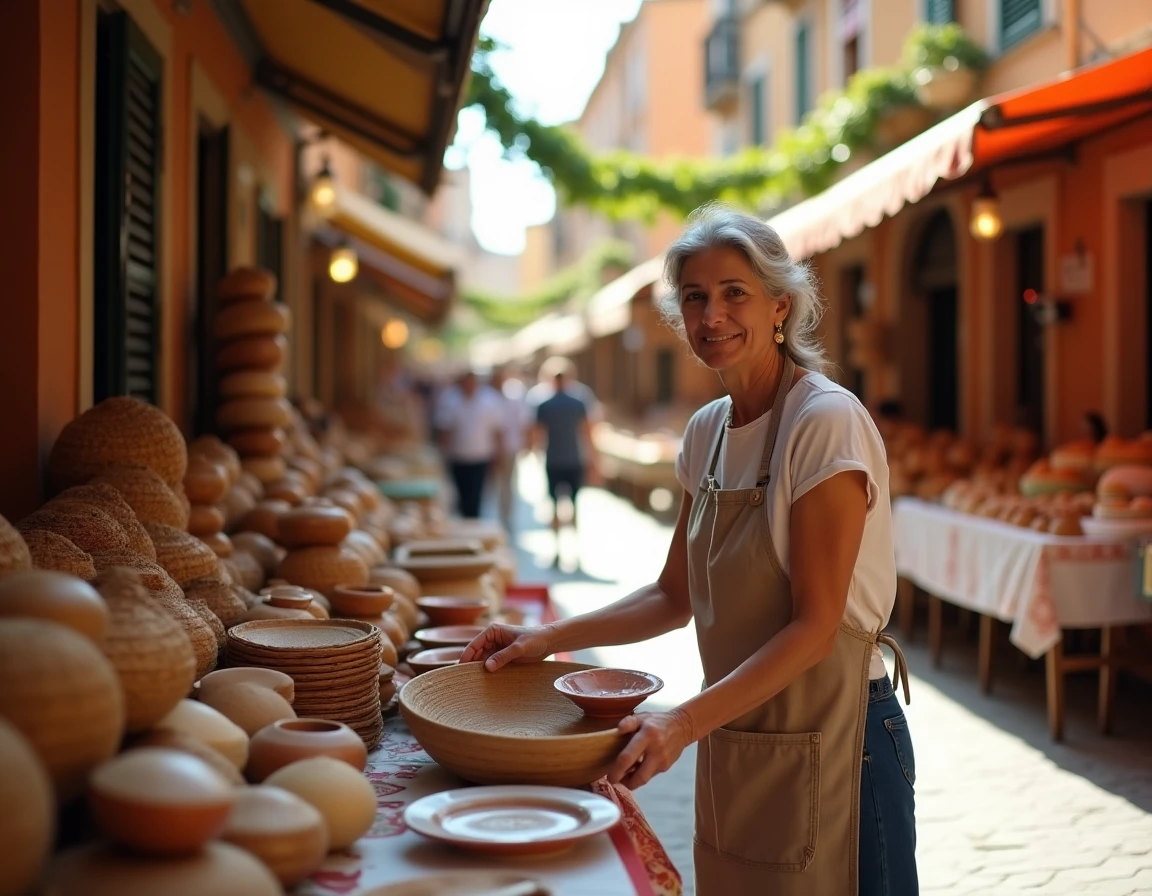
Sardinia attracts visitors each season who leave with the same boxes of torrone and the same cork magnets bought from the same shops at the port. Finding truly Sardinian purchases requires stepping off the beaten path and understanding where the active artisan sectors are concentrated.
Sardinian Artisan Sectors: Identifying Authentic Productions
Weaving, ceramics, coral work, and cutlery are the four key artisan sectors of the island. Each is rooted in a specific geography, and it is this location that distinguishes a local purchase from a generic souvenir.
The red coral worked in Alghero remains the most identifiable production. The workshops in the old town transform coral fished from the waters of the northwest of the island into jewelry and decorative objects. We recommend prioritizing the botteghe located in the alleys of the historic center rather than the storefronts along the waterfront, where the provenance of the coral is less traceable.
To explore the various stores and markets for shopping in Sardinia, it is better to target cities associated with a specific production rather than casting a wide net without a reference.
Artisan cutlery is concentrated around Barbagia, particularly in Pattada and Arbus, where folding blades (resolza) are forged using techniques passed down from workshop to workshop. An authentic Sardinian knife bears the name of the blacksmith, never a generic brand.
In textiles, handwoven rugs and tablecloths primarily come from Samugheo and Nule. The price difference with industrial imitations is significant, but the density of the weaving and the traditional geometric patterns do not deceive an informed buyer.
Shopping in Cagliari: the Marina District and Via Roma
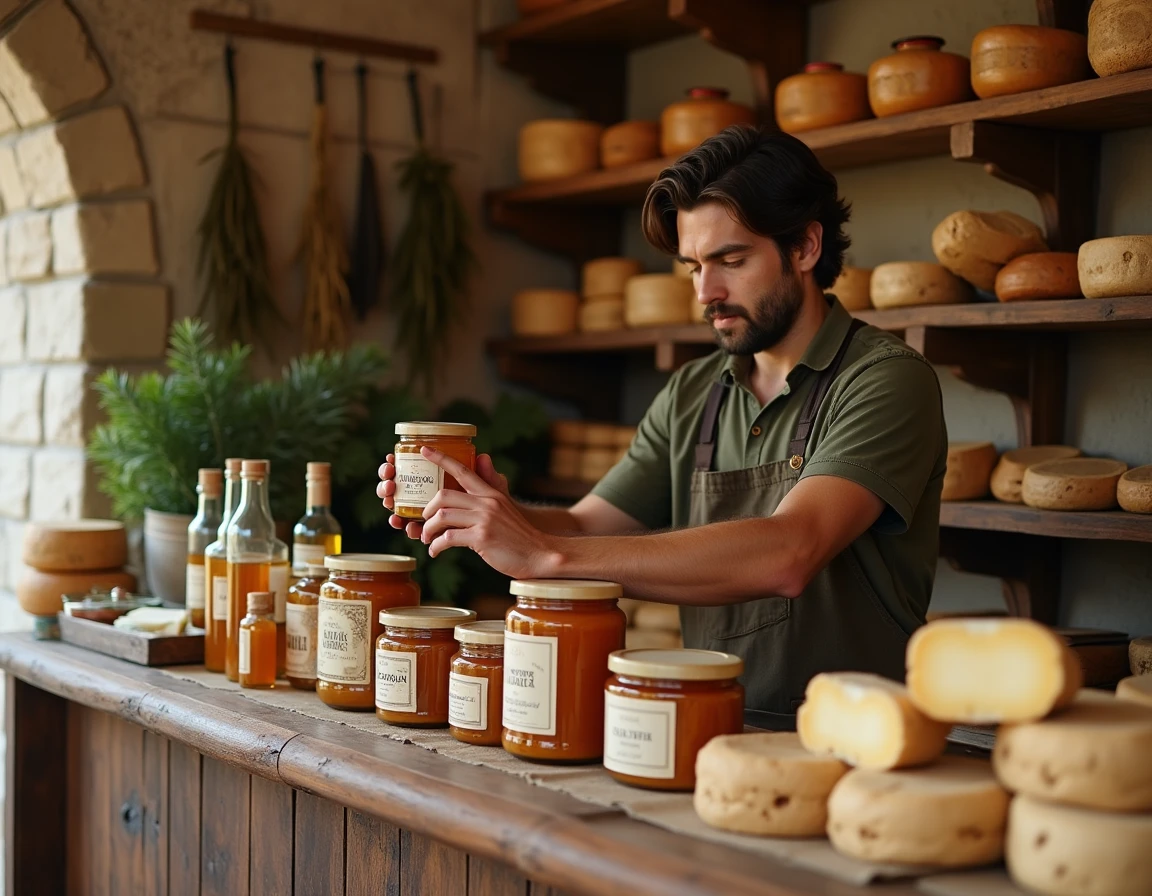
Cagliari has the most structured commercial offering in Sardinia. The Marina district, between the port and the Castello, combines independent shops, delicatessens, and art galleries along a few pedestrian streets.
Via Roma remains the main commercial axis of the city, with its arcades housing both Italian brands and local businesses. La Rinascente, a historic department store, occupies a central position there. It offers fashion, cosmetics, and accessories, but its appeal for a buyer seeking Sardinian products is limited.
The adjacent streets, Via Manno and Via Garibaldi, offer a better ratio of brands to independents. Here you can find boutiques of Sardinian designers working with linen, leather, or local ceramics.
Mercato di San Benedetto
This covered market in Cagliari is among the largest covered markets in Italy. It operates as a local food market, not as a tourist market. The stalls of fishmongers, butchers, and cheesemakers offer raw products intended for locals.
For a gastronomic purchase to take home, we recommend aged pecorino cheeses, vacuum-packed carasau bread, and mullet bottarga. Prices here are significantly lower than those in the delicatessens at the port.
Outdoor Markets in Sardinia: Schedule and Specifics
Sardinian weekly markets do not operate like the Provençal or Tuscan markets designed for tourists. Most are neighborhood markets where local producers sell directly.
- In Oristano, the Saturday morning market gathers producers from the Campidano plain: olive oil, citrus fruits, maquis honey, and local charcuterie.
- In Alghero, the Wednesday and Saturday market takes place on Lido San Giovanni and combines food, textiles, and coral crafts.
- In Nuoro, the market at Piazza Vittorio Emanuele offers Barbagia products that are hard to find elsewhere on the island.
Most of these markets close before 1 PM. Arriving early guarantees access to the best stalls and allows for direct exchanges with producers, who are often reluctant to stay late in the morning.
Local Purchases in Sardinia: Distinguishing Sardinian Crafts from Imported Products
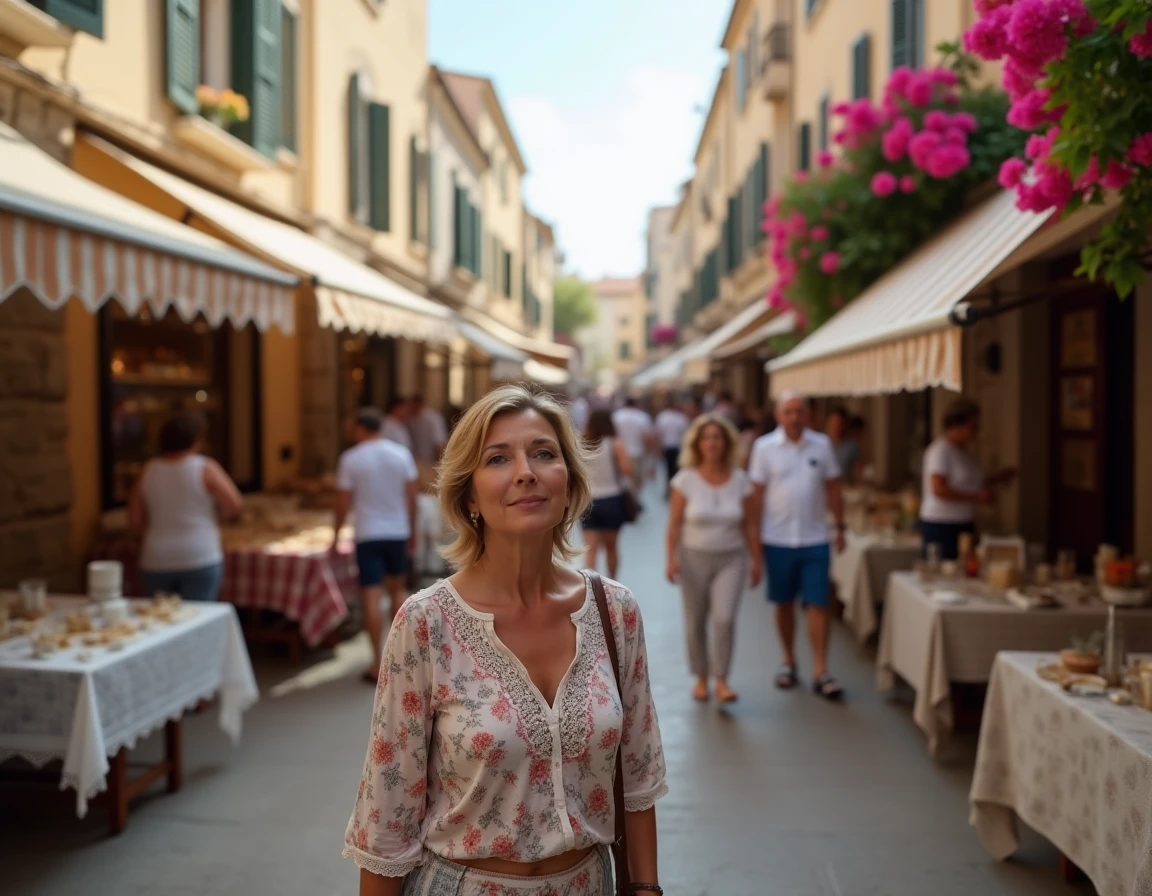
The main trap of shopping in Sardinia concerns products labeled “Sardinian” but made elsewhere. This is particularly true for ceramics, transformed cork, and certain textiles sold in the tourist areas of Costa Smeralda or Costa Rei.
Here are some concrete guidelines to assess authenticity:
- A Sardinian artisan works on-site and can show their workshop. Shops that only sell packaged stock, without a link to a production site, often resell imports.
- The ISOLA labels (Istituto Sardo Organizzazione Lavoro Artigiano) identify certified Sardinian productions. This marking remains the most reliable criterion.
- The price reflects the time of production: a handwoven rug in Samugheo does not cost the same as a mechanical imitation. A price gap that is too small almost always indicates an industrial product.
Inland cities like Oristano, Nuoro, and the villages of Barbagia offer more direct access to workshops than seaside resorts. The detour is worth it for those seeking unique pieces rather than mass-produced souvenirs.
Sardinia remains one of the few regions in Italy where local artisan sectors have not been entirely absorbed by mass tourism. But this uniqueness is due to the geography of the island and the relative isolation of its production areas. Buying directly in these areas also helps to maintain these skills active.