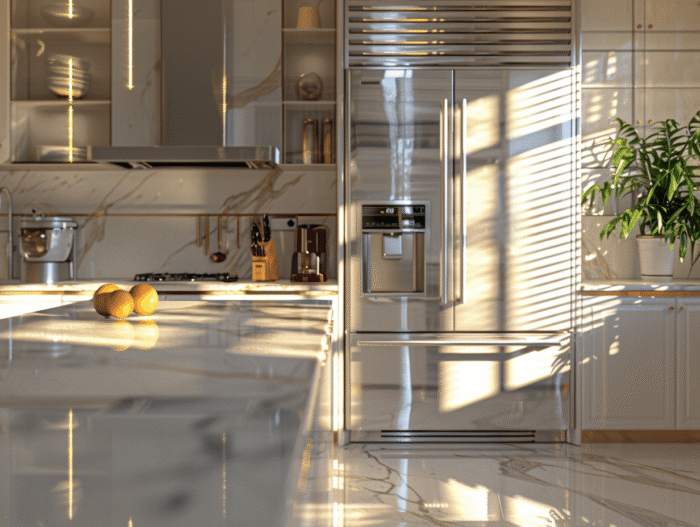
Stainless steel is a popular material in kitchens for its sleek aesthetic and resistance to corrosion. Over time and with use, it can lose its shine and become dull, even blackened, due to heat, splashes, and chemicals. Homeowners and restaurant professionals often seek effective methods to revive these surfaces and maintain their luster. Fortunately, there are simple tips and maintenance practices to restore blackened stainless steel and ensure its longevity, while respecting the environment and the quality of the material.
Restoring Blackened Stainless Steel: Methods and Precautions
Stainless steel, commonly referred to as inox, features a smooth and shiny surface that enhances contemporary kitchens. Stains and fingerprints settle on it with disconcerting ease, requiring special attention to maintain its original appearance. For those facing the alteration of this material, homemade recipes prove to be both economical and effective solutions for restoration.
When it comes to cleaning blackened inox, it is important to remember which products to avoid. Aggressive chemicals, abrasive or acidic solutions should be avoided to prevent further damage to the surface. Instead, opt for gentle mixtures, such as soapy water or a blend of baking soda and white vinegar, which will clean without scratching or corroding the inox.
Tips for inox often include the use of natural products. A cloth soaked in white vinegar can effectively remove limescale, while a bit of vegetable oil applied with a soft cloth will restore shine and luster to your stainless steel surface. Always remember to rinse thoroughly with clear water and dry with a microfiber cloth to avoid residual marks. For those seeking tips for effectively maintaining and cleaning inox, do not underestimate the power of traditional methods. For example, white stone is a cleaning product that, when used with a soft sponge, cleans inox without leaving marks. After cleaning, applying a thin layer of beeswax provides a protective barrier against new dirt and scratches. Be sure to follow these recommendations to ensure the longevity and aesthetics of the inox in your kitchen.
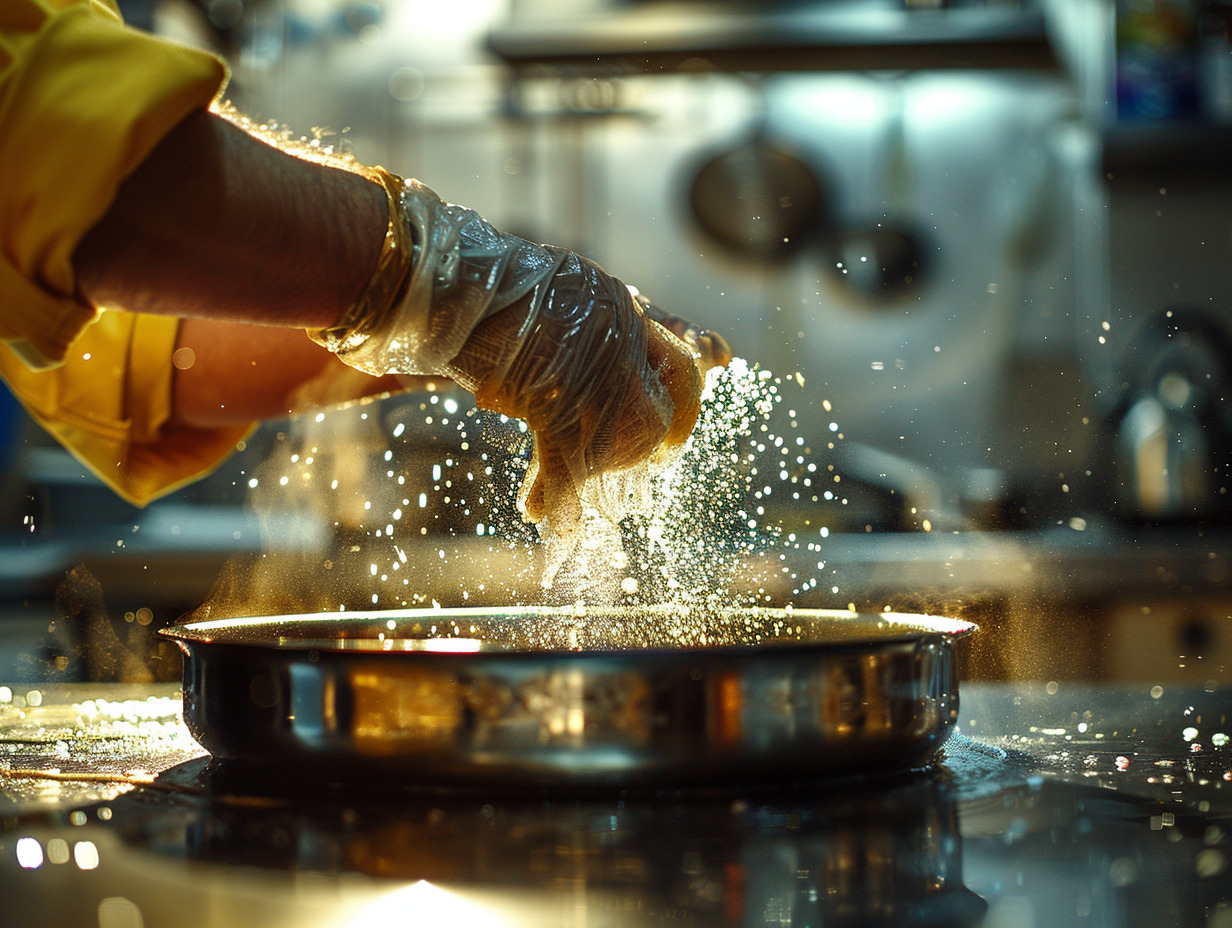
Regular Maintenance of Inox: Recommended Products and Techniques
The longevity of a backsplash or stainless steel countertop lies in regular maintenance. Suitable products and appropriate techniques help preserve the quality and aesthetics of your surfaces. Soapy water, a simple and accessible method, serves as a daily cleaning base. Use it with a non-abrasive sponge and Marseille soap to remove residues without risk of scratching.
White vinegar, known for its anti-limescale properties, proves to be a valuable ally in restoring shine to your stainless steel surfaces. After application, rinse thoroughly with water to neutralize the acidity of the vinegar and dry with a microfiber cloth for a streak-free finish. For those who prefer a shine, the mixture of oil and lemon is an excellent solution. Applied in a thin layer, it polishes your inox while protecting it from daily wear.
Among the recommended products, white stone stands out. This eco-friendly cleaning product ensures effective maintenance while preserving the integrity of the surface. Using white stone with a damp sponge allows for deep cleaning of inox without leaving films or deposits.
Beeswax is an essential protective product. Once the inox is clean and dry, applying a thin layer of this natural wax forms a protective screen against dirt and micro-scratches. Consider this step an investment in the durability of your stainless steel equipment, helping to maintain a new and professional appearance in your kitchen.